
Professional radon testing
FREE ESTIMATE
Radon testing for your home
Price
What you get
A qualified professional performs the test, which may use a short-term or long-term device to get results.
When it's recommended
How it works
Radon in Montreal
Yes, radon is present in Montreal, with an average residential level of 82.4 Bq/m³. While some areas are more prone to radon, it’s essential to test each home individually to know the specific level, as high concentrations can be found anywhere. To test your home, you can buy a do-it-yourself kit or hire a certified professional to perform a long-term test of at least three months.
Radon progeny are the short-lived, radioactive atoms that result from the rapid decay of radon gas. These atoms, also called radon daughters, can attach to dust particles and be inhaled, leading to a health risk, particularly lung cancer, because they emit alpha radiation that can damage DNA.

Formation
When radon gas (a radioactive gas that forms naturally from the decay of uranium, thorium, or radium) decays, it quickly transforms into a series of solid, radioactive decay products known as radon progeny.

Half-life
Radon progeny have very short half-lives, ranging from a fraction of a second up to about 27 minutes. This means that if the radon gas is removed, the radioactivity of the progeny will disappear quickly.

Health risks
The primary health risk comes from breathing in these progeny, which can attach to airborne dust particles. As they continue to decay, they release alpha radiation, which can damage the cells in the lungs and increase the risk of lung cancer.

Exposure
People are exposed to radon progeny by breathing air that has come into contact with radon gas, which can enter buildings through cracks and gaps.

Prevention
To reduce risk, it is recommended to aim for the lowest possible radon level in your home.
Common Questions
There are no direct symptoms of its presence in a house, only symptoms from prolonged exposure. These symptoms are often respiratory and can include a persistent cough, shortness of breath, chest pain, and wheezing. Fatigue, hoarseness, and trouble swallowing can also be signs, especially when they develop over time. If you or someone in your household is experiencing these symptoms, it is essential to test your home for radon and see a doctor.
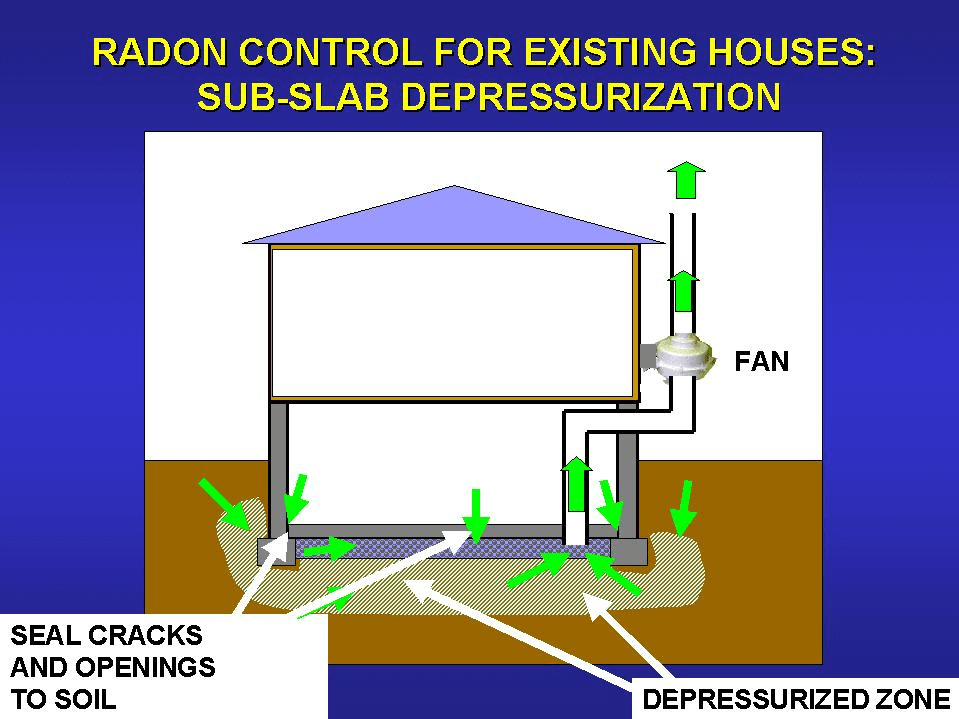
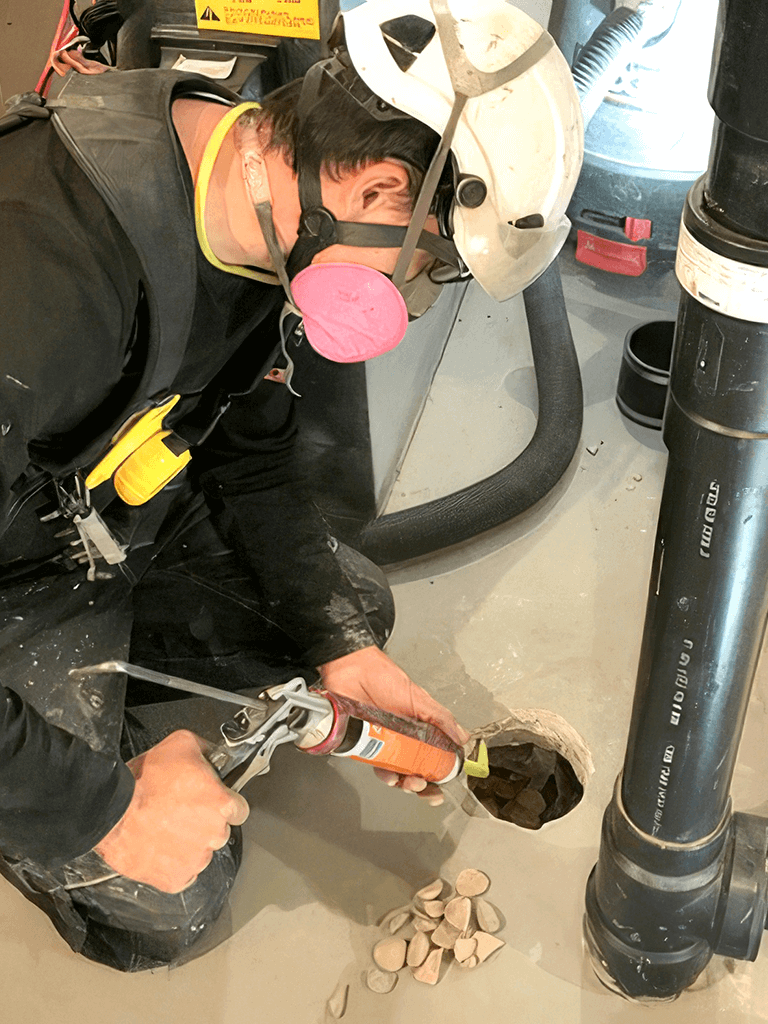
If you’re asking yourself, “Should I seal my basement floor to help lower radon levels?” the answer is a yes. Sealing your basement floor will help prevent radon from creeping in through the cracks. But the best way to mitigate radon is to also use a fan.
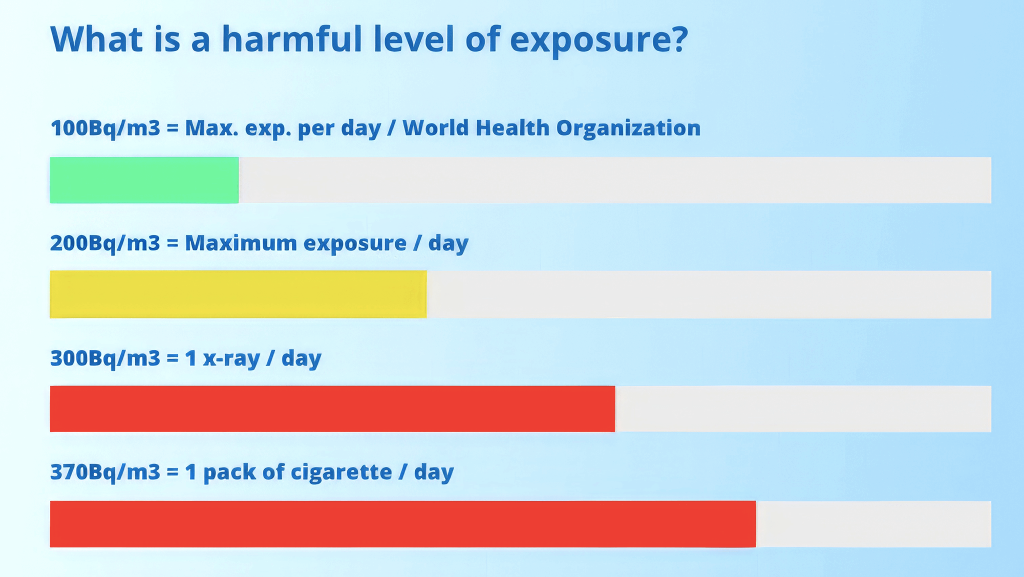
There is no known safe level of radon. Aiming for the lowest radon level you can achieve in your home will reduce your risk of harmful health effects, including lung cancer.
- If the level is above 200 Bq/m³: Take action to lower the radon level. The government recommends hiring a certified radon mitigation professional.
- If the level is below 200 Bq/m³: Even if the level is below the guideline, reducing exposure can lower your long-term cancer risk. You can still take preventative measures or install a mitigation system to further reduce risk.
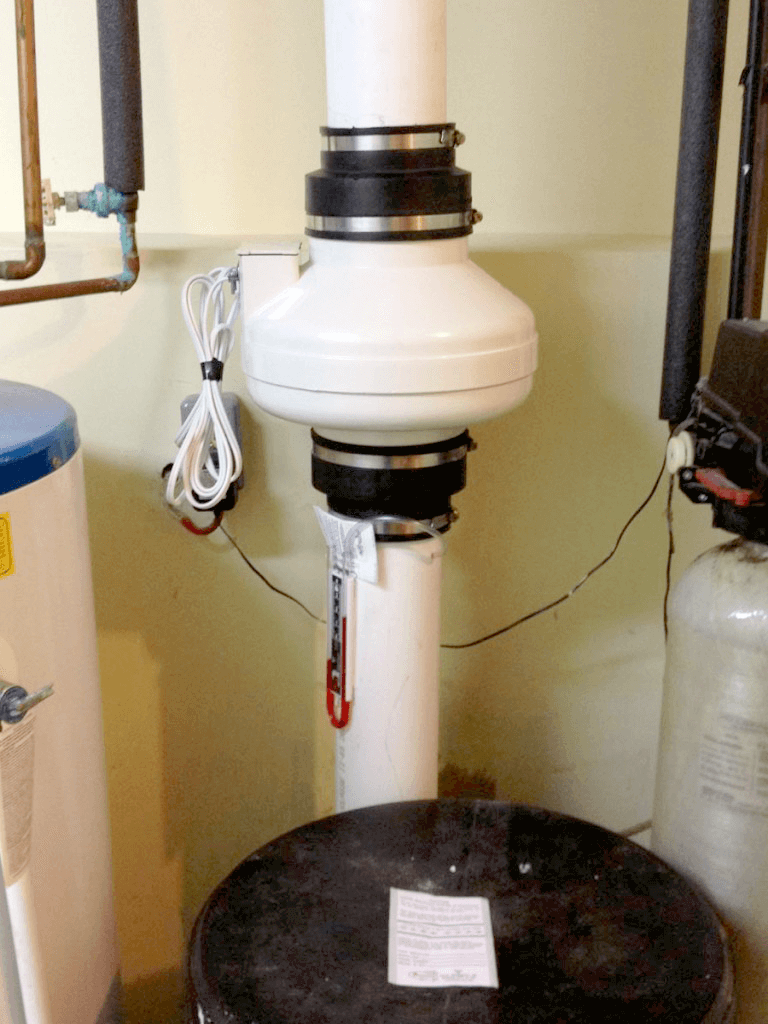
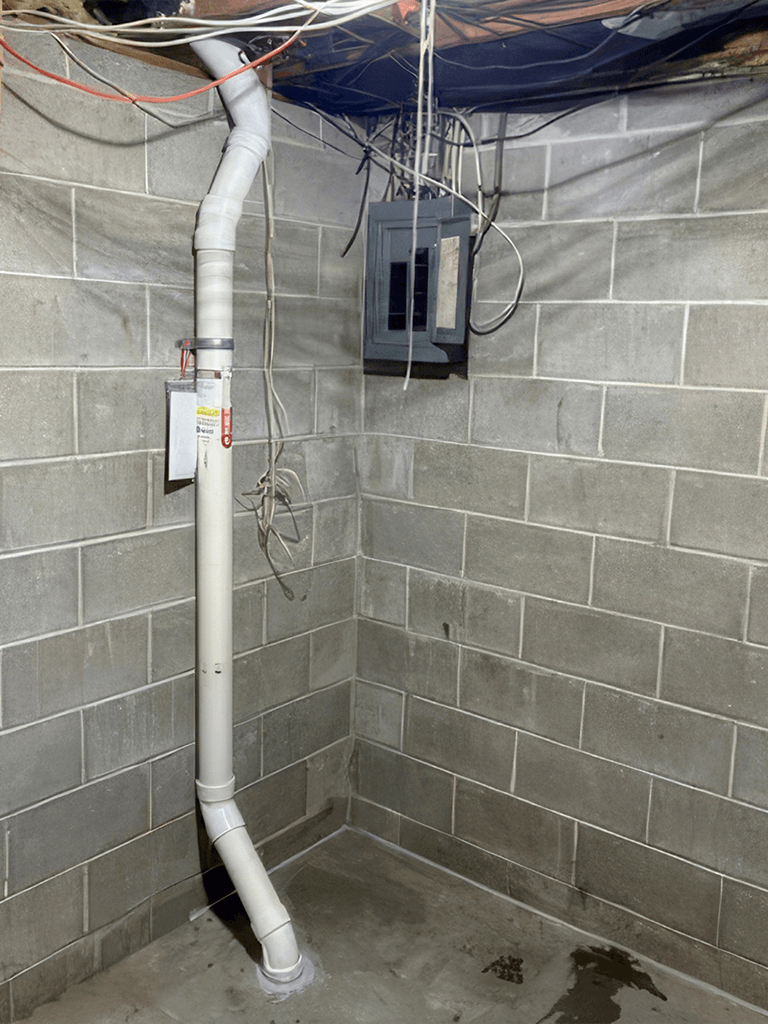
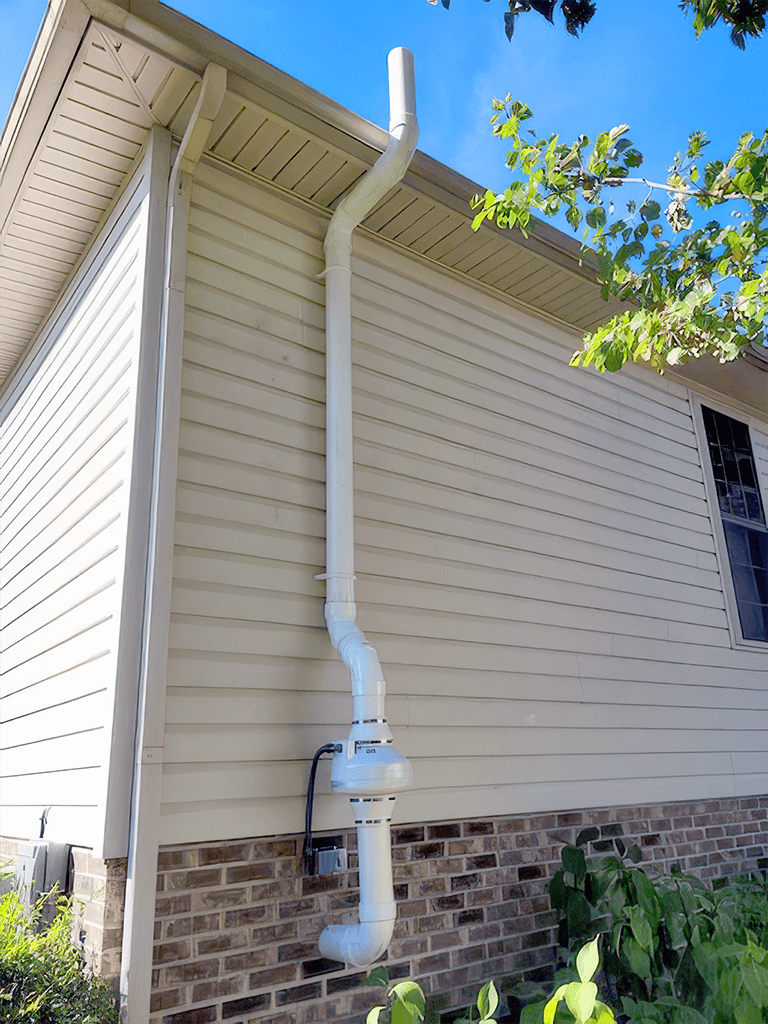
Active soil depressurization: This is the most effective and common method. It involves installing a vent pipe and fan that sucks radon from the soil beneath your house and vents it outside.
fully licensed and insured
Contact Mtl Duct Cleaning Today to schedule your Radon Test and ensure a safer, healthier home for you and your family!
Warning!
Radon is a colourless, odourless radioactive gas that can build up indoors and increase lung cancer risk, especially with long-term exposure. It’s only truly dangerous if levels are high for years, so the key is to test your home and fix it if it’s elevated.
Quick Service On Emergency Call - 24/7
Find out how MTL Nettoyage des Conduits can make the air you breathe cleaner and healthier for your family
